

Nestled within the intricate system of the United States penal facilities are the low-security federal prisons, overseen by the Federal Bureau of Prisons. These institutions play a crucial role in housing individuals who have committed federal crimes deemed suitable for a lower security setting. Forming a segment of the Federal Bureau of Prisons, low-security federal prisons are designed to provide a controlled environment for inmates while also offering programming aimed at rehabilitation and reintegration into society. The nuanced operations within these facilities are governed by the Bureau of Prisons, ensuring adherence to federal regulations and standards in the realm of incarceration and corrections.
History of Federal Prisons
The Federal Bureau of Prisons has a rich history dating back to the early 20th century. It was established in 1930 to provide more centralized administration and supervision of the federal prison system. This move aimed to improve efficiency and ensure consistent standards across all federal correctional facilities.
Over the years, the system has evolved to encompass various types of facilities, including low-security prisons. These institutions are designed to house non-violent offenders who pose minimal risk to society. Low-security federal prison s offer more freedom of movement and fewer security measures compared to higher-security facilities, allowing for a focus on rehabilitation and reintegration.
Today, the Federal Bureau of Prisons oversees a network of institutions across the country, each serving a specific purpose within the federal prison system. From minimum-security camps to high-security penitentiaries, these facilities play a crucial role in the nation's approach to corrections and incarceration.
Life Inside a Low Security Federal Prison
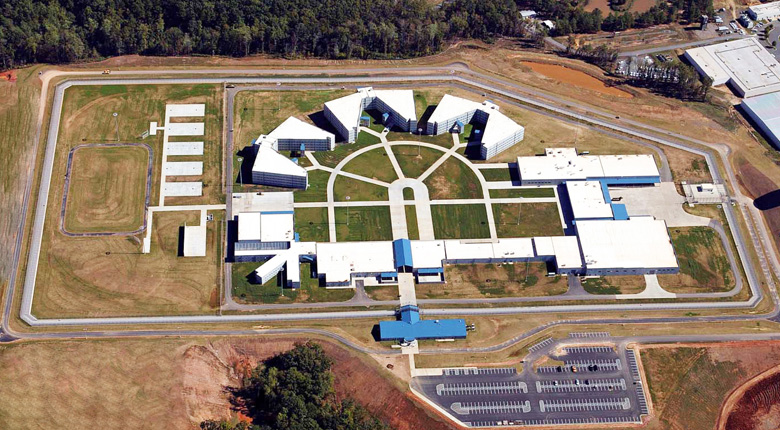
In a low security federal prison, inmates typically have more freedom of movement compared to higher security facilities. They may have access to outdoor recreational areas, vocational training programs, and educational opportunities aimed at rehabilitation. While the physical conditions may be less restrictive, there are still rules and regulations that must be adhered to by the inmates.
Living quarters in low security federal prisons are often dormitory-style, with multiple inmates sharing a common living space. Inmates are responsible for keeping their living areas clean and orderly. They may also have limited personal belongings allowed, subject to inspection by prison staff.
Daily routines in low security federal prison s include designated meal times, work assignments, and recreational periods. Inmates may have opportunities to participate in sports, arts and crafts, or other organized activities. These routines help to provide structure and a sense of normalcy within the prison environment.
Challenges Faced by the Federal Bureau of Prisons
The Federal Bureau of Prisons encounters various challenges in managing its facilities, particularly the low-security prisons. One significant issue is overcrowding across many federal correctional institution s, leading to strained resources and potential safety concerns for both staff and inmates.
Maintaining security within low-security federal prisons also poses a challenge for the Bureau of Prisons. Balancing the need for rehabilitation and reintegration programs with the imperative to prevent escapes and maintain order requires careful management strategies and constant vigilance from prison authorities.
Additionally, the Federal Bureau of Prisons faces ongoing budget constraints, which can impact the quality of services and programs offered to inmates. Finding ways to operate efficiently while still meeting the diverse needs of the incarcerated population remains a persistent challenge for the Bureau of Prisons.